Ixsight is looking for passionate individuals to join our team. Learn more



Ixsight is looking for passionate individuals to join our team. Learn more
Financial institutions face increasing challenges in identifying suspicious activities, verifying customer identities, and maintaining compliance with anti-money laundering (AML) regulations. As financial crime becomes more sophisticated, relying on manual checks and disconnected systems can make it difficult to identify risks efficiently.
This is where anti-money laundering software plays an important role. Modern AML solutions help financial institutions streamline customer screening, assess risk, improve data quality, and support compliance workflows. The right combination of AML tools can help organisations identify potential risks earlier, reduce manual workloads, and make more informed compliance decisions.
However, not all AML systems offer the same capabilities. Some focus on sanctions and watchlist screening, while others support transaction monitoring, customer due diligence, risk assessment, and regulatory reporting. Understanding these differences is essential when evaluating money laundering software for your organisation.
In this article, we explore ten essential features to consider when selecting AML software, along with practical points that can help you evaluate different solutions.
Transaction monitoring helps financial institutions identify potentially suspicious financial activities by analysing transaction patterns, amounts, frequency, and other relevant indicators. Depending on the platform, monitoring may take place in real time or through scheduled batch processing.
Effective transaction monitoring capabilities can help compliance teams identify unusual activities, investigate potential risks, and prioritise cases that require further review.
When evaluating this feature, look for:
Real-time monitoring is particularly useful when an institution needs to assess transactions quickly. However, the appropriate monitoring approach depends on transaction volumes, operational requirements, and applicable regulations.
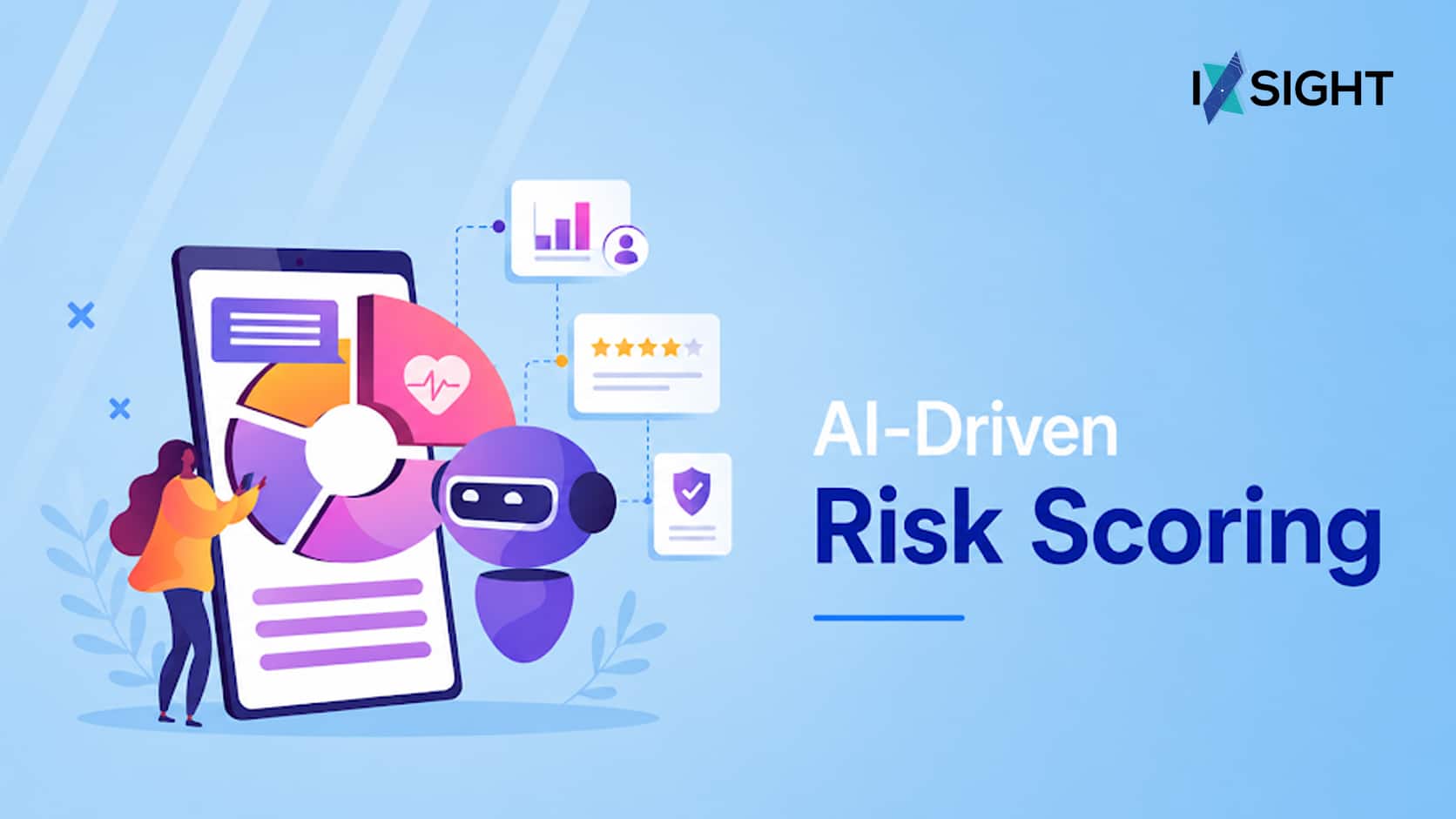
Risk scoring helps financial institutions assess the potential risk associated with customers, accounts, transactions, or business relationships. Instead of treating every customer equally, a risk-based approach allows compliance teams to focus on cases that require greater attention.
AI and machine learning can support risk assessment by analysing multiple data points, identifying patterns, and helping teams prioritise potential risks. The usefulness of these capabilities depends on the quality of the underlying data, the model's design, and the institution's validation process.
When evaluating AI-driven risk scoring, consider whether the solution offers:
AI can support compliance decisions, but it should not replace appropriate oversight. Financial institutions should understand how risk scores are generated and ensure that models are monitored for accuracy, bias, and changing risk patterns.
Know Your Customer (KYC) and Customer Due Diligence (CDD) are fundamental components of an effective AML programme. These processes help institutions establish customer identities, understand their business relationships, and assess associated risks.
AML screening tools can support these processes by checking customer information against relevant sanctions lists, politically exposed person (PEP) databases, and other risk-related sources.
An effective KYC and screening workflow should support:
The right capabilities help compliance teams make more consistent decisions while reducing repetitive manual checks. Organisations should also assess data coverage, update frequency, matching accuracy, and the process for handling false positives.
Identifying a potential risk is only one part of the compliance process. Teams also need a structured way to review alerts, collect evidence, document decisions, and escalate cases when necessary.
Case management and workflow automation help organise these activities within a defined process. Depending on the solution, workflows may assign cases to relevant team members, track deadlines, record investigation notes, and maintain a history of actions.
Important capabilities to evaluate include:
Automation can reduce repetitive administrative work, but high-risk cases and material compliance decisions should receive the appropriate level of human review. avoiding human error. All actions and decisions are recorded in full audit trails, offering regulators traceability for examination.
Financial institutions must maintain appropriate records and follow the reporting requirements that apply to their jurisdictions. Missing documentation, inconsistent records, or delayed reporting can create operational and compliance challenges.
AML software can support regulatory reporting and audit readiness by organising relevant information, maintaining decision histories, and helping teams prepare required documentation.
When assessing this feature, check whether the solution provides:
Some platforms support specific regulatory reporting workflows or direct submissions. These capabilities should be verified for the relevant regulator and jurisdiction rather than assumed to be available in every AML solution.
Traditional rule-based systems identify activities that match predefined conditions. Behavioural analytics can complement these rules by examining patterns in customer or account activity and highlighting deviations from expected behaviour.
For example, a sudden change in transaction frequency, unusual account activity, or activity inconsistent with an established customer profile may warrant further investigation.
Useful capabilities include:
Behavioural analytics and AI-driven risk scoring serve related but different purposes. Risk scoring helps assess the overall level of risk, while behavioural analytics focuses on patterns and changes that may indicate unusual activity.
Neither automatically proves that financial crime has occurred. Alerts should be assessed using relevant evidence and established investigation procedures.
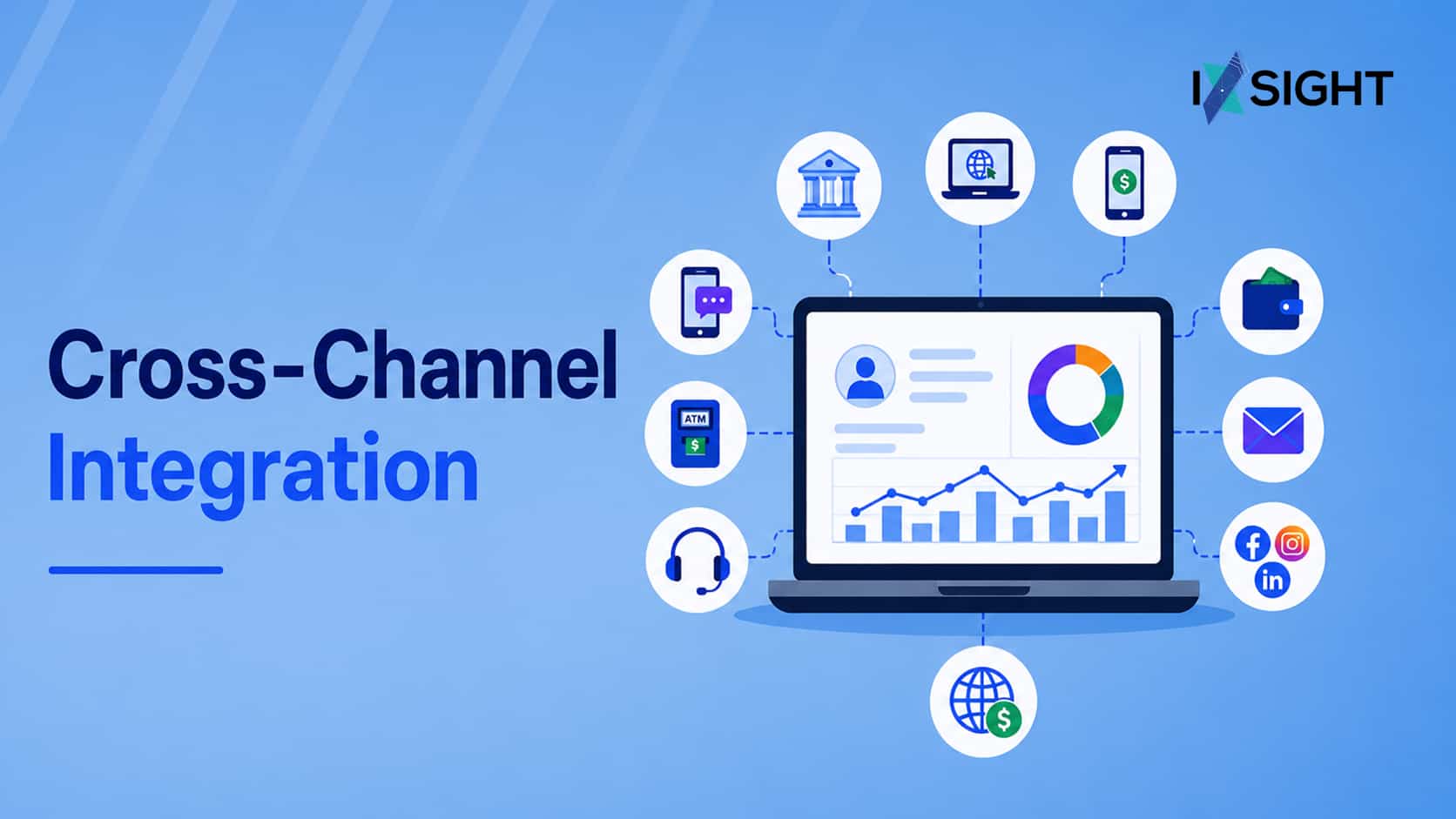
Financial institutions often manage customer and transaction information across multiple platforms, including banking applications, payment systems, customer databases, and external screening providers. When these sources remain disconnected, compliance teams may struggle to build a complete picture of a customer or activity.
Cross-channel integration helps bring relevant information together so that screening and risk assessment can use more consistent data.
Look for AML systems that support:
Data quality is especially important because incomplete, inconsistent, or duplicated records can affect screening accuracy and risk assessment. Data-cleaning and deduplication capabilities can therefore support the wider AML process, although they do not replace screening or transaction monitoring.
As financial institutions expand their operations, the volume of customer records, screening checks, and compliance activities can increase significantly. Scalable infrastructure helps an AML solution accommodate changing workloads without compromising operational requirements.
Cloud-based deployment may offer flexible resource allocation and simplified maintenance, depending on the provider and service model. However, cloud deployment alone does not guarantee security or regulatory compliance.
Before selecting a solution, assess:
Evaluate each provider against your institution's security policies and applicable regulatory obligations. Certifications and compliance claims should be confirmed through current documentation rather than assumed from general product descriptions.
Every financial institution has different customers, products, transaction patterns, and risk exposure. A fixed set of rules may not adequately address these differences.
Customisable rules allow compliance teams to adjust screening criteria, risk thresholds, and alert conditions to reflect their policies and operational needs.
When comparing AML products, consider whether they offer:
Flexible alert management can help teams concentrate on meaningful risks. However, rules should be reviewed regularly to ensure that changes do not create gaps in detection or weaken required controls.
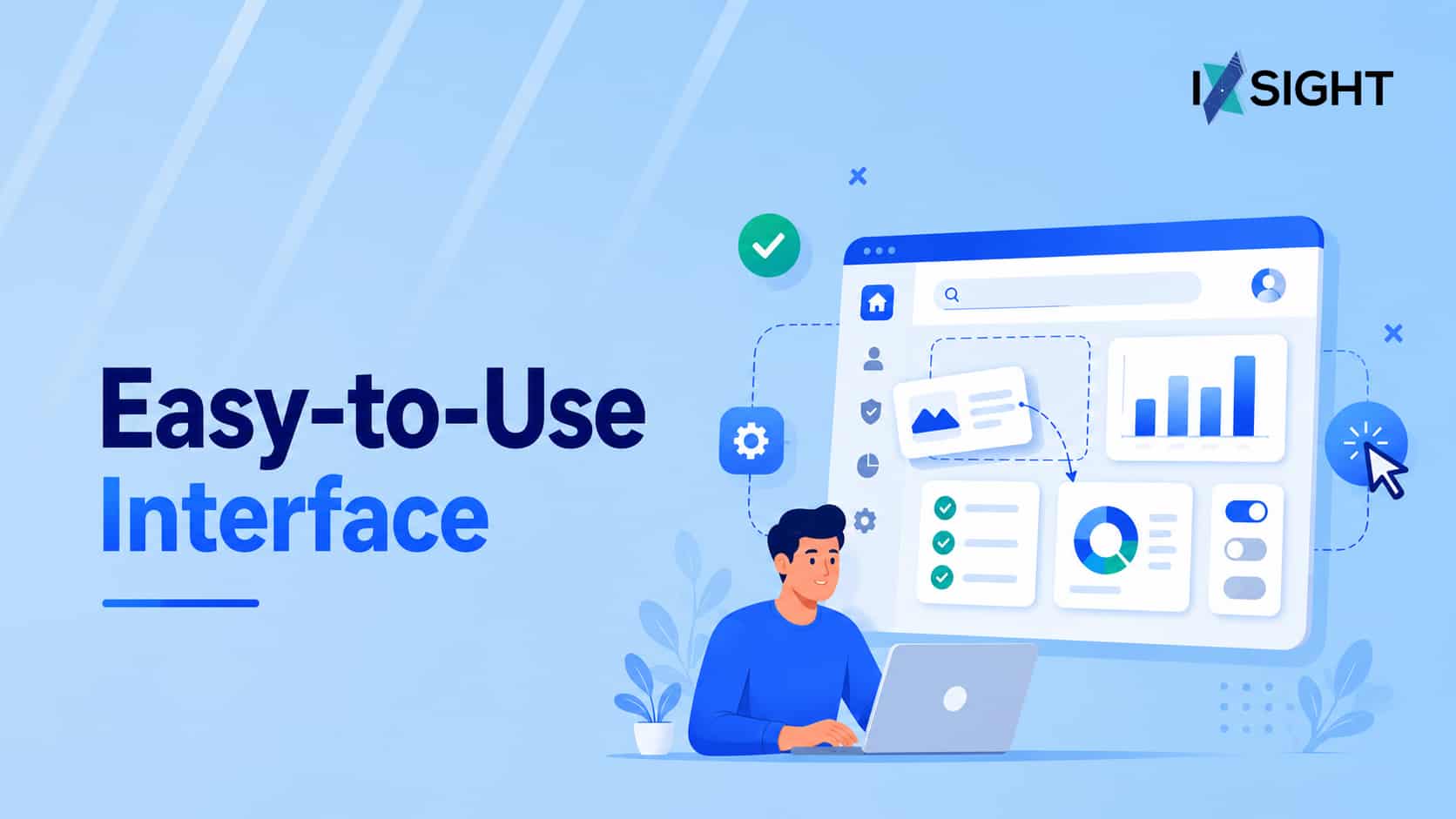
AML software can offer extensive functionality, but its effectiveness also depends on whether compliance teams can use it efficiently. A confusing interface may slow investigations, increase training requirements, and make important information harder to find.
A user-friendly solution should present relevant information clearly and support the tasks that compliance professionals perform regularly.
Look for features such as:
During product demonstrations, ask the provider to show common workflows using realistic scenarios. This can help you assess whether the platform fits your team's needs better than relying on feature lists alone.
Selecting the right AML solution requires more than comparing the number of features each provider offers. Start by identifying your institution's risk exposure, regulatory obligations, data sources, and current compliance challenges.
Use the following criteria to guide your evaluation:
1. Define your requirements: Determine whether you primarily need sanctions screening, PEP screening, customer risk assessment, transaction monitoring, case management, or a combination of capabilities.
2. Check data coverage: Review the screening sources, geographic coverage, update frequency, and data quality available for your use case.
3. Assess integration requirements: Confirm that the solution can exchange information securely with your existing systems and support your operational workflows.
4. Evaluate accuracy and explainability: Ask how the provider measures matching quality, manages false positives, and explains risk scores or alerts.
5. Review security and compliance: Validate the provider's security controls, deployment options, data handling practices, and relevant regulatory support.
6. Test real-world workflows: Request a demonstration or pilot using representative scenarios to evaluate usability, processing requirements, and operational fit.
7. Understand the total cost: Consider implementation, integration, licensing, maintenance, training, and ongoing data costs rather than comparing subscription prices alone.
Not every institution needs a single platform that performs every AML function. Some organisations use a combination of specialised AML tools integrated into a broader compliance framework. The most suitable approach depends on the institution's requirements, existing technology, and risk management strategy.
These ten features that are discussed here are most effective when they are used together. Real-time monitoring alone, without behavioral analytics, will fail on the more subtle schemes. Investigators don't trust and utilize AI risk scores when they aren't easy to read. The lack of a complete audit trail in regulatory reporting is an issue that can be a liability.
The financial institutions that are truly ahead of the money laundering threat in 2025 are the ones that have invested in platforms on which all these capabilities are working collaboratively, sharing information, informing one another, and showing a consistent compliance "face" to their compliance teams that need to do something about it.
This is the minimum you should expect to see in software that is being considered for AML. Platforms that are unable to perform in more than one or two of these are to be taken with a grain of salt. The price of a failure to successfully implement a compliance programme is always greater than the price of implementing a successful compliance programme.
Also Read: What Are the Five Pillars of AML?
It is estimated that 2% to 5% of the world's GDP is lost each year due to money laundering, which is a trillion-dollar unchallenged movement of money through the normal financial system. The ramifications are not just related to fines. Some are specific to organized crimes, terrorism, and corruption that impact communities and institutions globally.
AML software is no luxury or compliance requirement! It is an essential need of any financial institution that conducts financial transactions. The above are 10 of the things that this software should offer. Those institutions that comply with this standard not only remain compliant but also actively help maintain the integrity of the financial system.
Financial crime is ever-changing, as are the technologies used to fight it. Platforms that are built on these foundations are the best platforms on which to start an institution on a good foot.
Ixsight provides Deduplication Software that ensures accurate data management. Alongside, Sanctions Screening Software and Data Cleaning Software are critical for compliance and risk management, while KYC Risk Scoring enhances data quality. Additionally, CKYCRR 2.0 Upload Software supports streamlined regulatory reporting and seamless compliance processes, making Ixsight a key player in the financial compliance industry.
Our team is ready to help you 24×7. Get in touch with us now!