Ixsight is looking for passionate individuals to join our team. Learn more



Ixsight is looking for passionate individuals to join our team. Learn more
Financial crime is not just a matter of a back-alley cash transaction. In today's world, money laundering flows through digital wallets, multi-tiered corporate entities, overseas wire transfers, and cryptocurrency exchanges, and can occur in split seconds. These schemes become increasingly complex, and with them, so does the pressure on financial institutions from regulators. As a result, many organizations are turning to AML Software India solutions to strengthen compliance, automate risk detection, and meet evolving regulatory requirements. Fines for non-compliance are often in the hundreds of millions of dollars, and reputational damage can be even more costly.
Those who are in compliance have responded by creating some of the most sophisticated AML software ever. However, there are dozens of platforms out there; not all of them are created equal. The wrong tool can create a gap in your compliance programme, leaving you vulnerable to financial crime, while the right tool is a shield you can use for prevention.
But what makes a great platform different than a good platform? This guide outlines the 10 essential features of effective AML software that are vital in 2025 and beyond.
Any serious AML operation relies upon the ability to monitor transactions in real time. Financial institutions handle millions of transactions daily across a variety of currencies, geographies, and product categories. It is impractical, if not impossible, to attempt to do these manually.
Today's AML software analyzes every transaction it receives as soon as it is made, filtering out transactions that are at risk, show suspicious behavior, or are on external watchlists. The high-risk transaction can be flagged or even prevented from being processed, giving the compliance team a real chance to get in the way.
The best platforms offer a sense of context in addition to raw speed. They do not just send an alert but provide context for the alert: what rule or pattern caused it, and how the activity compares to the customer's previous activity. This amount of context can significantly cut down the amount of time spent by investigators in correlating information from disjointed sources.
Real-time monitoring also plays a key role in spotting laundering typologies that move quickly, such as “smurfing” (which involves making numerous small deposits that are unlikely to trigger red flags) and “mule” networks (in which money is shifted between multiple accounts to hide its source). You can't monitor if the system will only be able to detect them hours or days later.
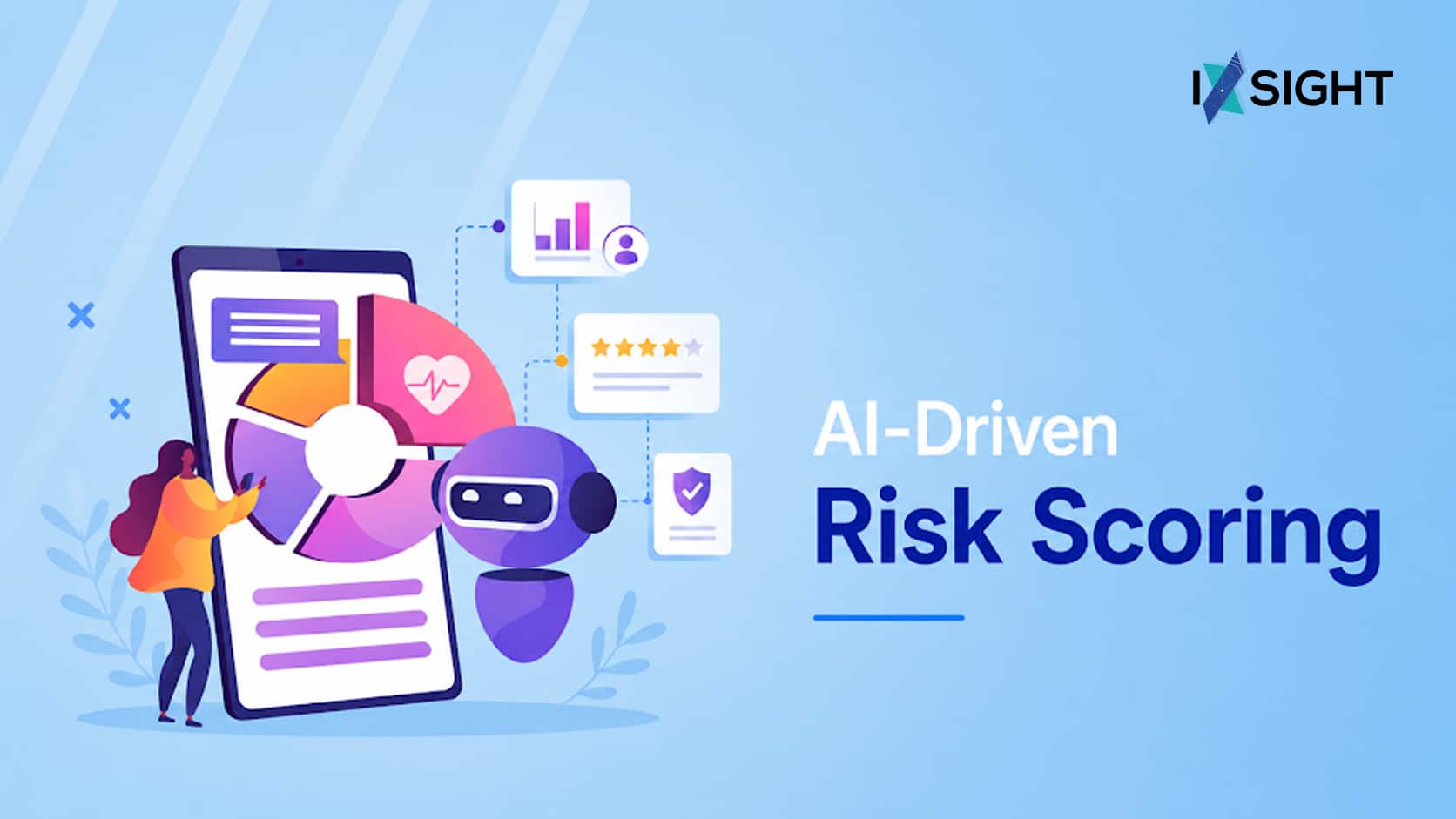
Taking a static, rule-based risk scoring approach has some major drawbacks. Fixed thresholds do not differentiate individual customers and generate massive numbers of false alerts that flood investigation queues and make compliance teams insensitive to real alerts.
Today's top AML software has evolved to use AI engines to dynamically assess risk, rather than relying on static rules. Such systems consider transactional information, customer profile, geographic exposure, external databases, and all this data in parallel to generate a “rich” risk assessment that evolves over time according to customer behavior.
It is especially important to note that explainability is no longer just a 'best practice' but also a regulatory necessity. You cannot take action on a risk score that you do not know, and you can't audit a black-box model. AI platforms today have models that are transparent and explain the logic behind each score, enabling teams to review and verify the process, ensure the distribution is sound, and explain their decision-making to supervisory committees.
AI-powered scoring isn't just about accuracy. These systems significantly reduce false alarms, allowing investigators to devote more time to serious cases rather than frivolous ones and to save money on system operation without compromising the quality of their oversight.
KYC and Customer Due Diligence are not a one-off process, but an ongoing process. These are continuous responsibilities that change as the relationship with the client develops. AML software that treats these processes as a checklist creates gaps that criminals and regulators can exploit.
A good platform brings KYC and CDD together into one seamless platform. The system pulls verification data, PEP & sanctions lists, utility data, public registries, and adverse media information simultaneously during onboarding. This saves manual data input, accelerates customer acquisition, and eliminates the possibility of missing out on any pertinent risk signal from the get-go.
Once the system is set up, it doesn't "sleep". It can automatically and continuously undertake periodic reviews and assess the client risk profile. Triggers keep the platform alert and vigilant to the changing nature of a customer, be it a new sanctions designation, changes in business activity, or unusual transactional behavior, before the next scheduled cycle, ensuring a re-assessment will be undertaken when it is needed.
It is this full lifecycle approach to CDD that makes a programme exactly like it a truly compliant programme compared to one that checks boxes at the beginning and hopes for the best.
Once you've spotted the suspicious activity, it's just the first half of the battle. What happens after that is either managing risk or creating paperwork.
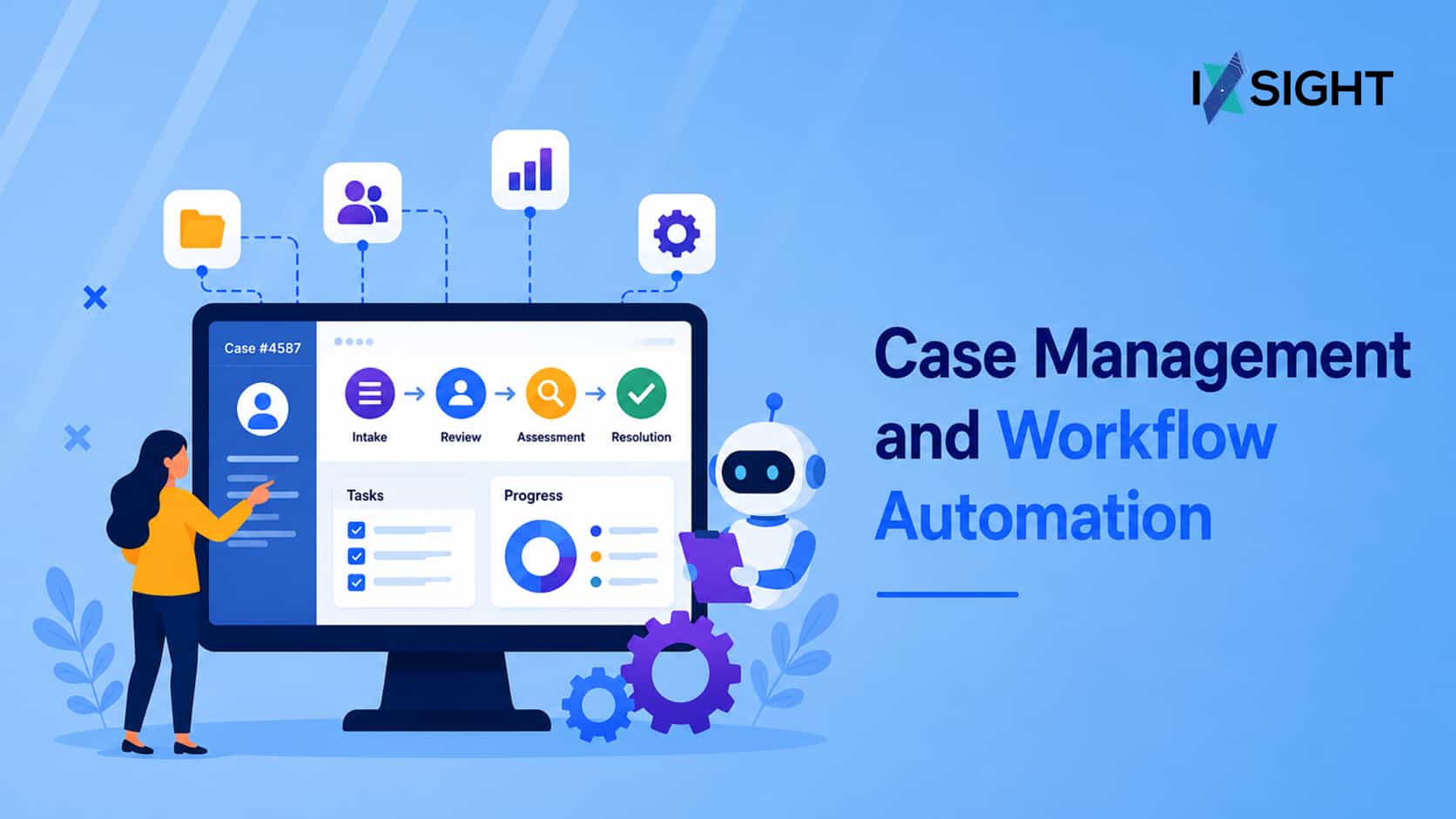
AML software includes case management modules to give end-to-end visibility into each alert. Priority is clearly established with assignments given to investigators with audit trails, deadlines, and context. Collaborative capabilities enable compliance officers, analysts, and legal teams to work on the same case simultaneously without duplication or loss of information.
Workflow automation goes the extra mile. Rules can be set up to automatically close low-risk alerts that meet certain criteria, route high-priority cases to high-priority investigators, and automatically trigger a Suspicious Activity Report (SAR) when a threshold is exceeded. This is not a replacement for the human mind; it's its application in the most critical areas.
The benefits of compliance are great. Standardized workflows allow for consistent handling of all cases, even in hectic situations, avoiding human error. All actions and decisions are recorded in full audit trails, offering regulators traceability for examination.
The rule of law is, and will remain, more stringent in each of the key jurisdictions. It is not enough for an institution to detect and report suspicious activity; it must have a strong and comprehensive process behind each filing, which it can demonstrate.
Modern AML platforms come with pre-defined report templates based on industry standards established by regulators like the FCA, FinCEN, OFSI, and the AMLD6 framework of the EU. Some of the platforms are directly linked to regulator submission portals, eliminating some of the manual steps that cause delays and errors in the reporting process.
The audit trail is also a feature of the platform. All case actions, alerts, and dispositions are timestamped and attributed to users. Version control allows for the reconstruction and explanation of changes to a case even months after the fact. This degree of documentation could make an otherwise stressful regulatory visit a more evidence-based discussion.
Audited readiness shouldn't be considered merely a feature that comes into play when examiners show up. If you implement it into your regular practice, you're able to improve the quality of your compliance efforts overall at your institution.
Traditional systems based on rules are only able to find what they are looking for. Behavioral analytics identify items that are out of the ordinary, even if they've never been observed before.
The idea behind these systems is to establish customer-specific behavioral baselines. The platform adapts to this customer's normal usage over time: volume levels, counterparties, times, and locations of transactions, etc. If any behavior is moving significantly from that baseline, then an alert is raised, even if it doesn't hit any thresholds.
This method is especially effective in revealing structuring and layering, two of the fundamental components of advanced laundering operations. Structuring is when large amounts are split into small amounts, on purpose, to avoid reporting requirements. Layering is the covering up of the trail through multiple accounts and jurisdictions. Both of them are virtually undetectable by the rules and stand out when compared with the customer's behavioral pattern that has occurred in the past.
The real strength of behavioral analytics is its predictive aspect. It doesn't just react to events that have already occurred, but can be used to detect and report on emerging risk before a laundering scheme has been completed.
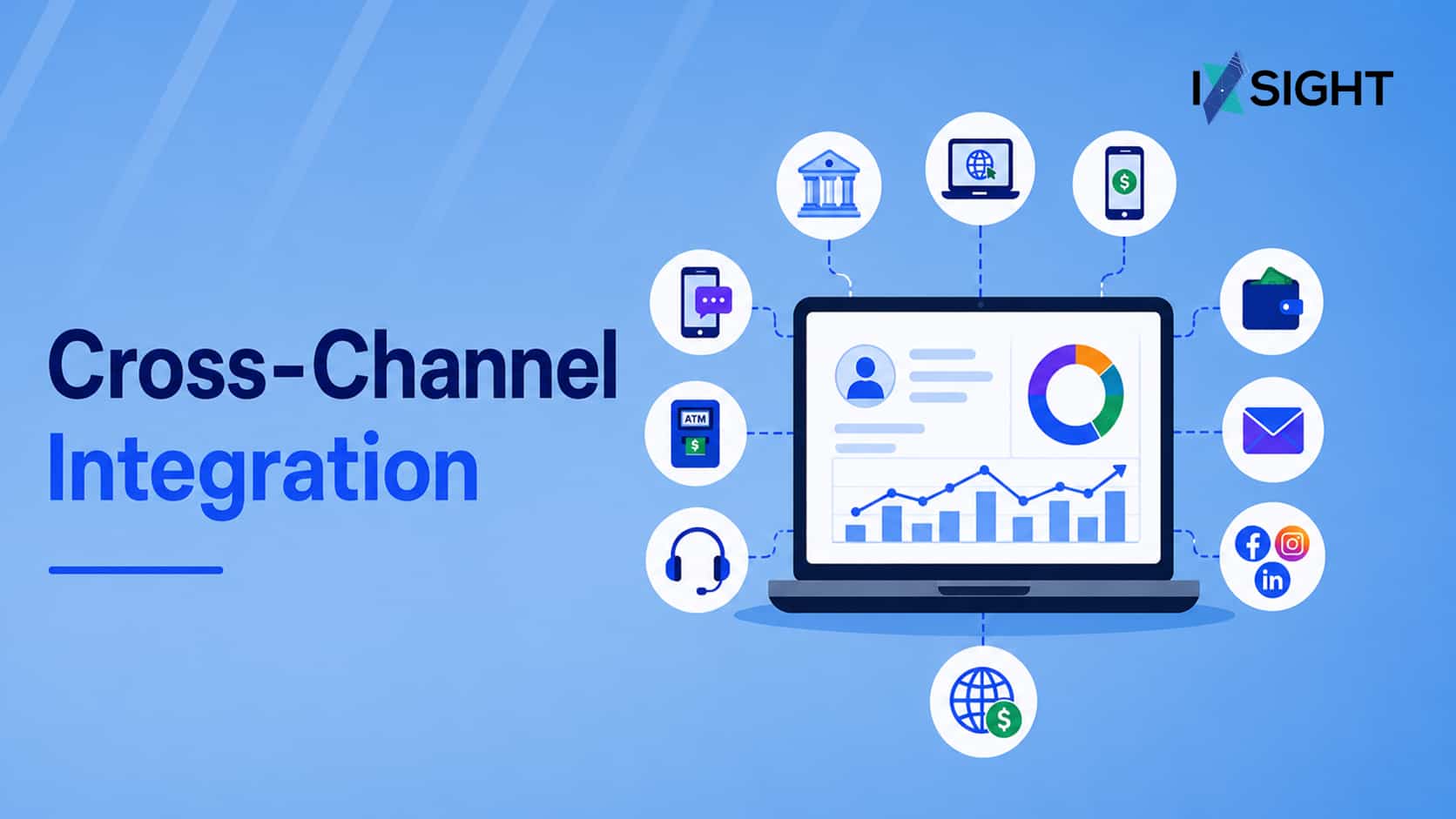
Financial activity does not take place in one place when a customer is using their financial services. In one week, they could deposit money in a branch, wire money online, pay somebody by their mobile app, and cash out at an ATM. A partial picture means that AML software that is limited to just one of these channels is utilizing a partial picture.
For this, cross-channel integration collects data from each and every customer touch point and integrates it into a single, unified risk profile. The data from all of these segments is aggregated in a single analytical layer.
The outcome is a compliance operation with new features that simply can't be achieved by siloed systems, such as connecting activity across channels. Two cash withdrawals, one at an unusual time and one from an overseas wire transfer, may seem like nothing more than a few peculiarities. When taken together, they could be the first two layers of a layering scheme. Those connections can be made possible by cross-channel visibility.
Today, this is accomplished via APIs and plug-and-play integrations that ensure easy implementation with less time and technical complexity. The capability of adding new data sources as the institution expands and grows to new channels/geographies is a big long-term benefit.
The volume of transactions is on the rise. Growing regulatory demands. And there's a higher expectation for compliance monitoring that's immediate and happens day-in, day-out. These manual update cycles and fixed-capacity on-premise AML systems are no longer able to keep up with the pace.
Cloud-native AML systems can achieve elasticity to scale up and down automatically whenever there is a surge in transactions, provide low-latency multi-regional deployments, and automatically download software updates as new AML modules become available to meet compliance requirements and new security patches emerge. No delays for the next planned maintenance to implement important regulatory changes.
The security surrounding data transfer to the cloud of sensitive compliance data is a logical concern, and the best cloud platforms take it seriously. Role-based access controls restrict who has access to sensitive case information. Data is encrypted while it's stored and when it's being sent. Identity and Access Management solutions manage access to the system and ensure it is well-defined and completely traceable. Compliance with standards like GDPR, PSD2, and ISO 27001 gives customers the confidence that the infrastructure itself is secure and compliant with standards.
Cloud infrastructure also helps institutions meet the requirement of keeping standards of compliance consistent across regions, but requiring different local customizations, without the need for multiple on-premise deployments.
Each financial institution is unique. The risk profile, customer behavior, and regulatory environment of a local retail bank are different to that of a global investment firm, digital payments provider, and crypto exchange. Using the same rules for all of them will result in false positives in a low-risk situation and missed positives in a high-risk situation in the AML software.
The platform supports customizable rules to enable compliance teams to tweak the platform to their environment. There are various scenarios, geographic focus areas, customer segment profiles, and transaction thresholds that can be modified without vendor intervention. This allows the institution to react quickly to any new regulatory guidance as well as any new typology being identified: the update of the detection logic can be done within months instead of waiting for a software vendor to provide a patch.
The flexible alerting adds to this and makes sure that the pertinent individuals are alerted with the appropriate information at the right moment. Those who are considered to be high risk may be referred to senior officers. Low-risk alerts can be "batched" together for periodic review. Specific alert configuration is applicable to various groups of customers and/or product lines. The aim is to provide compliance teams with a fighting chance to focus on what's really important and not get lost in noise by providing actionable intelligence and not noise.
If the individuals who use the platform to take action cannot use it, then all of the above-mentioned characteristics are irrelevant. A well-designed interface can be very helpful, but an interface that is too powerful can be a hindrance and not only make investigations more time-consuming but also add to the likelihood of user error and decrease buy-in among members of the compliance team.
The intuitive interface allows new investigators to quickly get up to speed, facilitates rapid case resolution, and navigates between alerts, customer profiles, case histories, and reports with no loss of context. The application's visual layouts, logical navigation, and dashboards enable teams to see at a glance the status of their compliance operations.
Customization is an aspect of good design. The flexibility of being able to define views, personal alert settings, and workflows around their specific roles contributes towards a higher degree of productivity, day-to-day. An end-user-centric platform provides a compliance team with confidence, efficiency, and pressure-proof capabilities.
These ten features that are discussed here are most effective when they are used together. Real-time monitoring alone, without behavioral analytics, will fail on the more subtle schemes. Investigators don't trust and utilize AI risk scores when they aren't easy to read. The lack of a complete audit trail in regulatory reporting is an issue that can be a liability.
The financial institutions that are truly ahead of the money laundering threat in 2025 are the ones that have invested in platforms on which all these capabilities are working collaboratively, sharing information, informing one another, and showing a consistent compliance "face" to their compliance teams that need to do something about it.
This is the minimum you should expect to see in software that is being considered for AML. Platforms that are unable to perform in more than one or two of these are to be taken with a grain of salt. The price of a failure to successfully implement a compliance programme is always greater than the price of implementing a successful compliance programme.
Also Read: What Are the Five Pillars of AML?
It is estimated that 2% to 5% of the world's GDP is lost each year due to money laundering, which is a trillion-dollar unchallenged movement of money through the normal financial system. The ramifications are not just related to fines. Some are specific to organized crimes, terrorism, and corruption that impact communities and institutions globally.
AML software is no luxury or compliance requirement! It is an essential need of any financial institution that conducts financial transactions. The above are 10 of the things that this software should offer. Those institutions that comply with this standard not only remain compliant but also actively help maintain the integrity of the financial system.
Financial crime is ever-changing, as are the technologies used to fight it. Platforms that are built on these foundations are the best platforms on which to start an institution on a good foot.
Ixsight provides Deduplication Software that ensures accurate data management. Alongside, Sanctions Screening Software and Data Cleaning Software are critical for compliance and risk management, while KYC Risk Scoring enhances data quality. Additionally, CKYCRR 2.0 Upload Software supports streamlined regulatory reporting and seamless compliance processes, making Ixsight a key player in the financial compliance industry.
Our team is ready to help you 24×7. Get in touch with us now!