Ixsight is looking for passionate individuals to join our team. Learn more



Ixsight is looking for passionate individuals to join our team. Learn more
All organizations operate on Data these days. All of that information is used by the leadership team to make decisions every day. The problem is that there is a problem in plain sight: Most of that data is dirtier than anyone would like to admit. Data Cleaning Software helps address these issues by identifying and correcting duplicate customer records, typos, inconsistent date formats, missing data, and outdated contact info that accumulate in the background of databases, costing real dollars.
Gartner estimates that $12.9 million of annual business expense is lost in all industries due to poor data quality. Some of the other studies are even more extensive. According to a study by MIT Sloan Management Review and Cork University Business School, loss of revenue attributable to poor data quality in businesses is between 15 and 25% per year. These are not rounding errors; these are big ones. They are an indication of lost sales, misguided marketing investments, and compliance fines, and are based on incorrect data. AML Software can help organizations maintain cleaner, more reliable data for compliance and financial crime monitoring.
That's why data cleaning and data standardization are now a must-have discipline for businesses that wish to be accurate and fast, whether they are dealing with AML software in India, thousands of material records, or millions of customers for a retailer looking to personalize offers. We'll explain what data cleaning and standardization are, how they are different, what should occur at each phase, what problems companies encounter, and the best practices to help you succeed in having high-quality data that helps you move past spreadsheets filled with data inconsistencies.
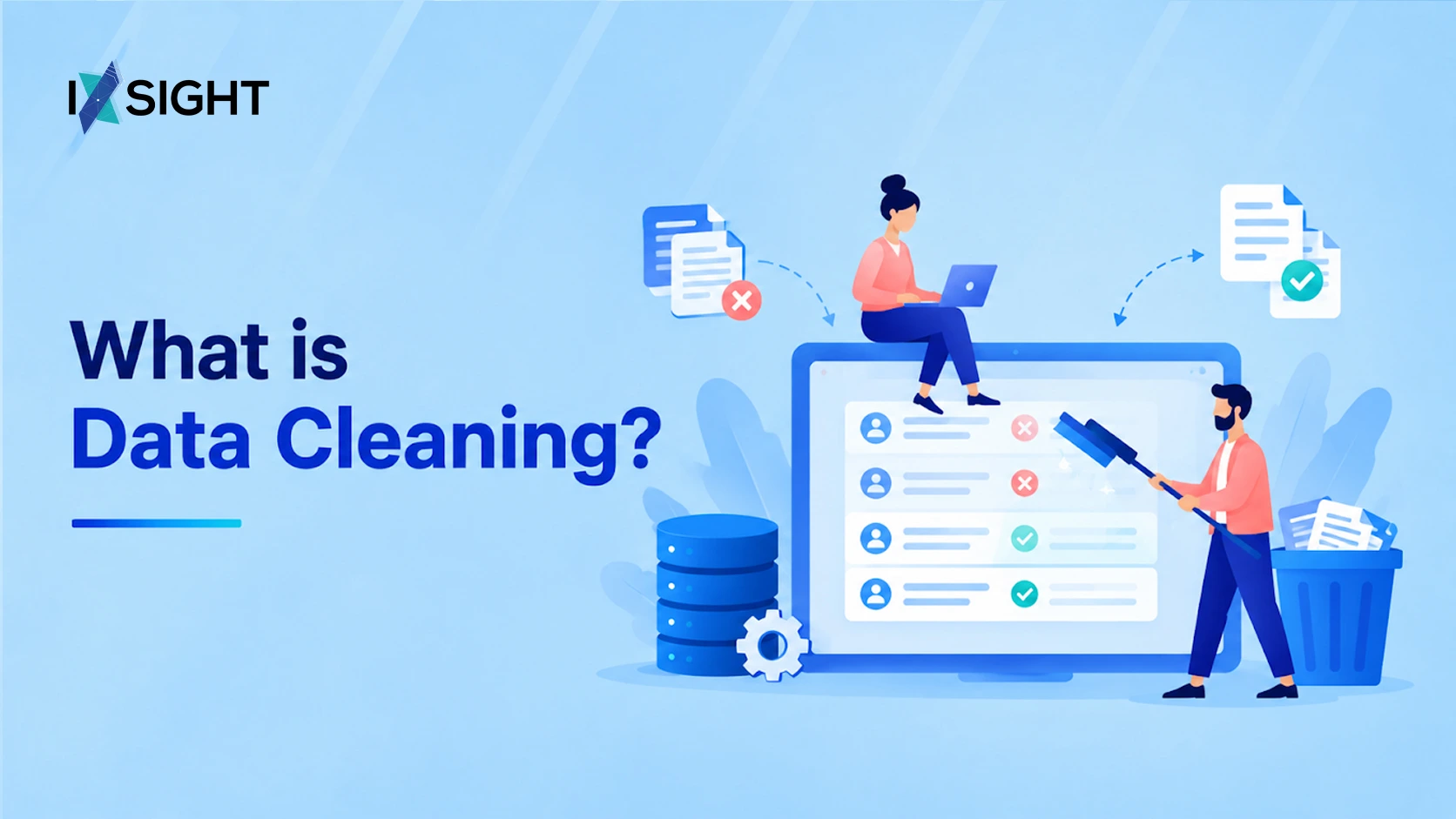
Data cleansing (also known as data cleaning) is the act of fixing, correcting, and removing errors, inconsistencies, and inaccuracies in a data set. Increasingly, businesses are gathering huge quantities of information from a variety of sources, including CRMs, ERPs, web forms, and third-party vendors, making it difficult to manage the quantity of information and ensure it is accurate.
Data cleaning is basically a method of uncovering issues such as:
These problems more often than not begin with data profiling, a systematic study of data patterns and structures which indicates when anomalies have occurred in a data set, before they can propagate more deeply into business processes. Errors are then corrected, either manually by trained data specialists or automatically using data cleaning software that can work at scale and automatically correct large amounts of data.
One of the most popular and costly issues that businesses face is duplicate data. With two different systems, CRM and ERP, storing customer data separately, there are likely multiple versions of the same customer data. This duplication results in confusion within and outside the system. Duplicate data has been shown to cause issues in marketing, lost sales opportunities, lower scores on customer satisfaction, and decreased team productivity. An industry report revealed that over 60% of companies surveyed had a data health score of "not reliable" and about 28% of all emails sent were never received due to poor contact data.
Data cleaning validation is the final data cleaning step. After the erroneous information is checked off and the duplications are deleted, teams must ascertain that the information that must be retained is accurate, current, and usable. This is typically where dedicated data cleaning software will be most useful, if it can detect anomalies in huge data sets much quicker than manual data cleaning could. For organizations working with financial and compliance data, AML Software Vendors also provide solutions that help maintain accurate customer information and support data quality requirements.
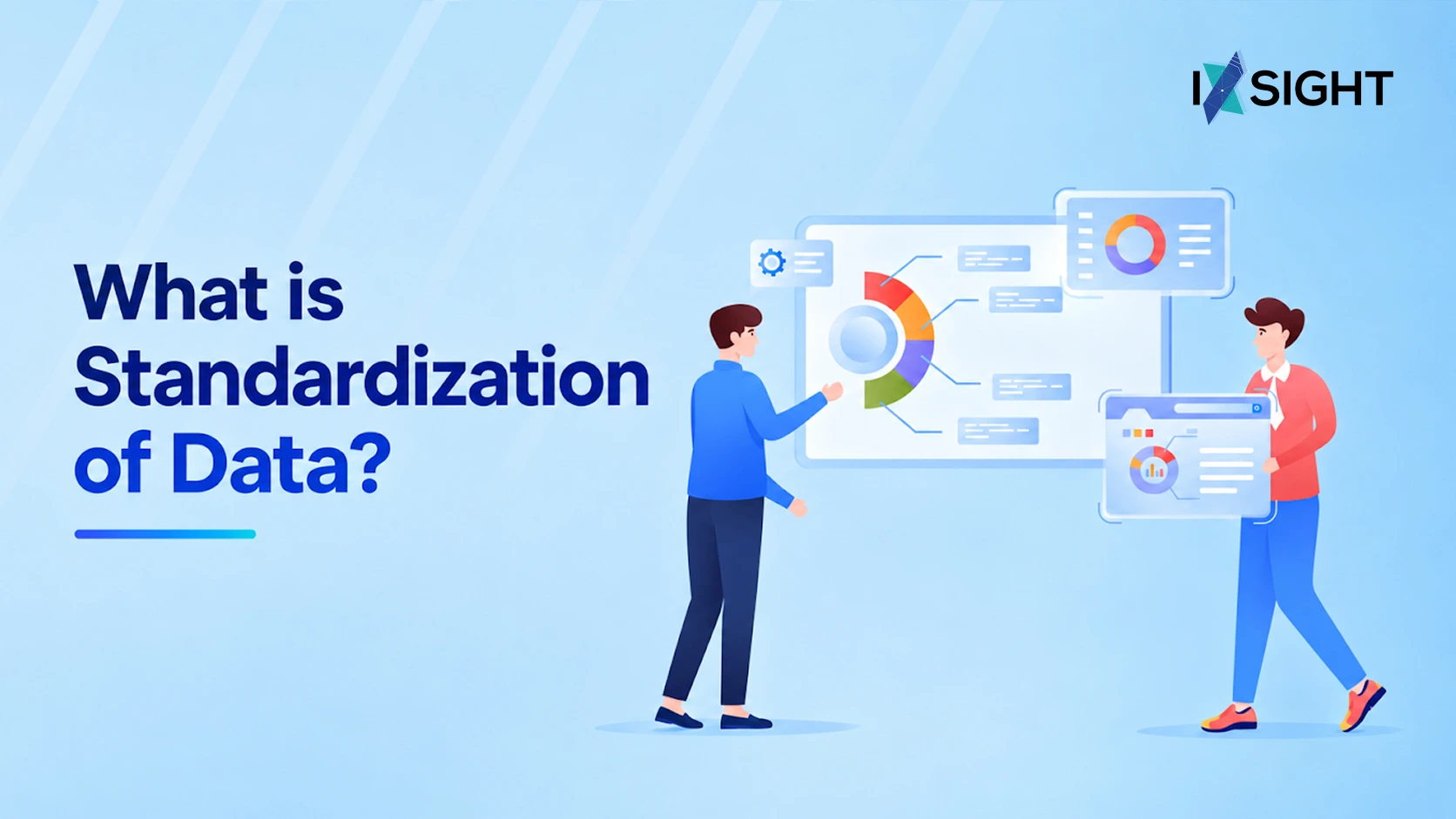
After the data is "cleaned," it is not necessarily available to all departments or systems for use. This is where data standardization comes into the picture. To standardize cleaned data means to put it in a consistent, common format that can be recognized, shared, and used reliably by all teams, tools, and platforms that interact with it.
Consider the way that a business could store a customer's residence. It could be spelled out in a number of different ways: “California,” “CA,” or “Calif.” All three are referring to the same thing, but if not standardized, systems and reports will view them as being different values entirely. The same issue occurs in date fields, currency symbols, units of measure, product codes, and many other fields.
There are normally three steps in standardization:
The advantages of doing it right are great. Standardized data eliminates duplicate data inputs, prevents missed emails and misrouted calls, enhances customer interactions, helps better qualify leads, and makes internal team and external business partner collaboration much simpler. It also provides a foundation for future analytics, as dashboards and models are as stable as the data that goes into them.
Data cleaning and data standardization are often used synonymously, but they address different types of problems, and typically occur in order.
In reality, however, you must have both, and in that order. The only thing that happens when you standardize dirty data is that you get consistently formatted errors. If data is not standardized, it will result in the same accuracy, but the information cannot be reliably compared and combined with each other and reported on across systems. In industries such as banking and financial services, where AML software in India and around the world relies on clean and standardized customer and transaction data, as well as entity data, to accurately identify suspicious transactions, the importance of this becomes even more pronounced. Even the most advanced AML software can fail to detect links between accounts if a customer's name or ID number is entered differently on each account. Even the most advanced AML software can fail to link accounts if a customer's name or ID number is entered differently from one account to the next, and a bad actor is not as sophisticated as a human investigator.
Typical steps for transforming disconnected, messy data sources to clean and standardized sources often include the following:
Some companies try to do this completely with automated data cleaning software; automation is necessary to deal with volume, but it isn't all. While automated tools are great for identifying anomalies and consistently enforcing rules at scale, they can fall short of recognizing patterns that may seem unusual but are legitimate; context is key. Most successful solutions involve a combination of automated data cleaning software and a team, be it in-house or outsourced, that is familiar with the business context to make decisions that can't be made by the software.
Despite having the proper tools, some of the following problems inevitably get in the way for organizations.
Organizations that consistently have high-quality data will engage in the same set of practices.
Data cleansing and data standardization were once a back-office housekeeping task that was performed by IT without much fanfare, whilst the “show” was on the road to growth. This perspective is quickly being outweighed. The quality of the data has become a boardroom issue as more organizations rely on data to drive decisions with tools like analytics, automation and AI. Inaccurate data no longer just skews a particular report; it can subtly impact forecasting models, personalization engines, risk scoring systems, and strategic investments.
It's even more critical if you're in any industry that's closely monitored for its operations. In India and around the world, financial institutions rely on the reliable detection of suspicious activity and the ability to remain compliant with ever-changing regulations by leveraging clean and standardized data when implementing AML software. In that case, a duplicate customer record or an entry that isn't formatted properly is not only a nuisance, but it could also be a compliance issue.
The positive side of that is you can do all of this without a complete transformation of your data strategy overnight. It begins with an honest assessment of the state of your data, the mix of automated data cleaning solutions and human oversight, and a solid approach to data governance to prevent it from decaying again, as well as adopting a standard structure for data that's already proven and accepted. Those companies that do not see data cleaning and standardization as a "one-and-done" sort of thing, but rather as a way to maintain a trustworthy data set and make decisions upon it that do not fail, are the ones that end up with data they can rely on and decisions that will stand the test of time.
Also Read: What is Data Cleaning? A Comprehensive Overview
Data cleaning and standardization are essential for maintaining accurate, consistent, and reliable business data. As organizations continue to depend on data for analytics, automation, AI, and decision-making, poor-quality data can affect everything from customer interactions and reporting to compliance and risk management.
Using automated data cleaning software can help organizations identify duplicates, correct inconsistencies, and manage large volumes of data efficiently. However, technology alone is not enough. Combining automation with human oversight, clear data standards, and ongoing data governance helps prevent data quality issues from returning.
For organizations handling sensitive financial and compliance data, clean and standardized data is especially important for supporting accurate risk detection and AML processes. Treating data quality as an ongoing discipline rather than a one-time cleanup allows businesses to build a more reliable foundation for better decisions and long-term growth.
Ixsight provides Deduplication Software that ensures accurate data management. Alongside, Sanctions Screening Software and Data Cleaning Software are critical for compliance and risk management, while KYC Risk Scoring enhances data quality. Additionally, CKYCRR 2.0 Upload Software supports streamlined regulatory reporting and seamless compliance processes, making Ixsight a key player in the financial compliance industry.
Our team is ready to help you 24×7. Get in touch with us now!